Perimenopause, Weight Gain, and the Truth No One Told Me
- posted: Feb. 24, 2026
- Pre-Menopause/Menopause, Midlife, Perimenopause & Midlife, Life Transitions
I've never struggled with my weight. Then, perimenopause showed up. All of a sudden, the scale would not budge. I was in the gym five days a week. Strength training. Cardio. Treadmill walks. And still… nothing. No visible muscle definition like I used to see in my younger years. The progress felt slow. Almost invisible.
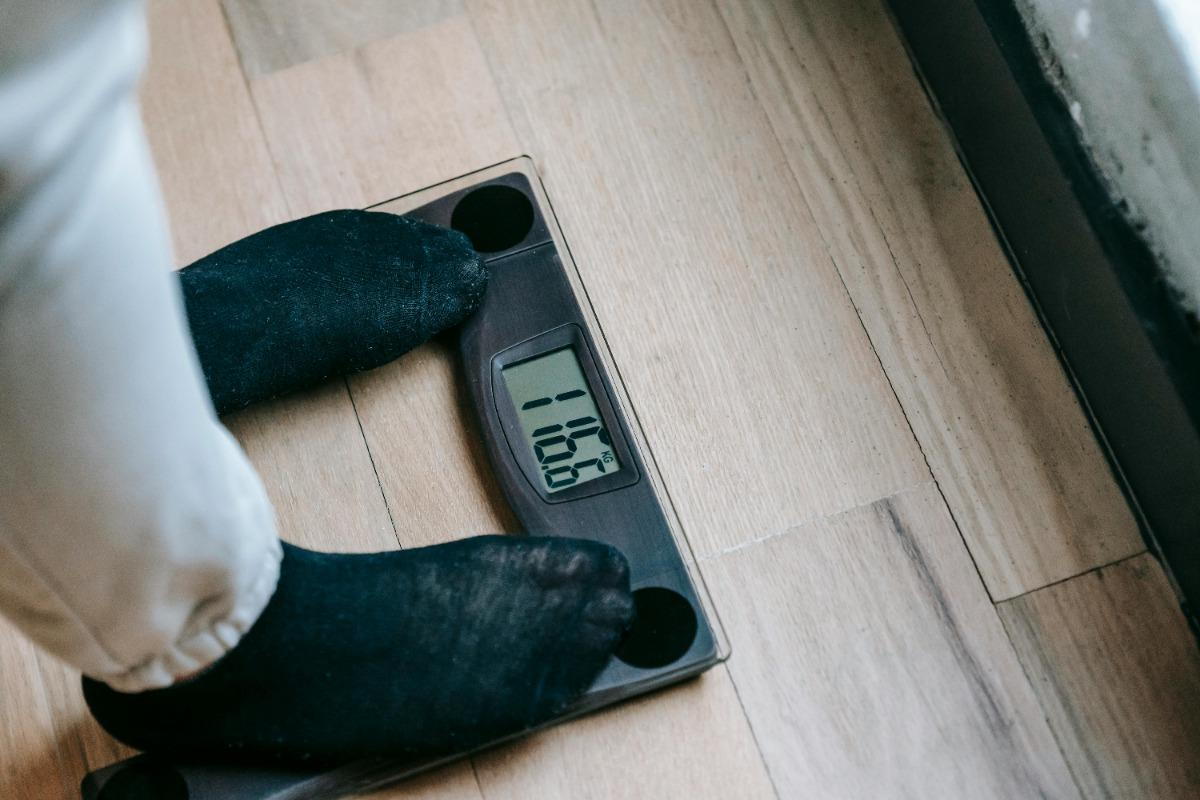
Add in a sedentary job, and it felt like I was fighting an uphill battle with ankle weights on. When the scale hit 172, I felt shocked. I felt obese. Even though my clothes still fit. Even though I did not “look” the number in my head. The number said one thing. My body felt another. And that messes with you mentally.
My doctor told me, “This happens.” But no one said the words clearly: This is common in perimenopause and menopause. Let’s talk about why.
What’s Actually Happening in Perimenopause
Research shows that during perimenopause and menopause:
Estrogen levels decline.
Muscle mass naturally decreases.
Fat shifts toward the abdomen.
Metabolism slows slightly.
Hunger signals can increase.
So it is not just “you’re eating too much.”Hormones change how your body stores fat. You may notice more belly weight even if your habits have not drastically changed. And if you sit for work most of the day, that compounds it. Here’s the hard truth: The workout routine that worked at 30 may not work the same at 45 or 50. That does not mean you are broken. It means your strategy has to evolve.
Why the Gym Didn’t Feel Like It Was Working
I kept thinking: “If I just push harder.” But pushing harder is not always the answer.
During midlife:
Muscle builds more slowly.
Recovery takes longer.
Overtraining can increase stress hormones like cortisol.
Sleep disruption affects weight regulation.
So, going hard five days a week without adjusting for recovery or nutrition can stall progress. It becomes frustrating. And frustration leads to quitting. I’ve been there. The bigger shift for me was mental. I had to accept something simple but uncomfortable: I am not in my younger years anymore. That is not defeat. That is reality. And reality is where real progress starts.
What Evidence-Based Guidelines Recommend
Research on weight management across a woman’s lifespan highlights a few key strategies:
1. Prioritize Strength Training (But Be Patient)
Strength training is still critical. It protects muscle and bone. But visible muscle definition may take longer. Think consistency over intensity. Two to three focused sessions per week can be more effective than overdoing it five days straight.
2. Increase Daily Movement (Not Just Gym Time)
If your job is sedentary, one hour at the gym does not erase eight hours of sitting.
Add:
Short walking breaks every hour.
Standing meetings.
Light movement after meals.
It sounds basic. It works.
3. Focus on Protein and Fiber
Midlife bodies need adequate protein to preserve muscle. Fiber supports fullness and blood sugar balance. Whole foods matter more now than ever. This is not about extreme dieting. It is about steady nourishment.
4. Manage Stress and Sleep
Poor sleep and chronic stress increase fat storage signals. Perimenopause already disrupts sleep. Ignoring this piece makes weight loss harder. You cannot “out-exercise” high stress.
The Emotional Side No One Talks About
Seeing a number on the scale that feels foreign is hard. It can trigger shame. Comparison. Panic. But here is what I learned: Weight is data. Not identity.
My body was adjusting to hormonal shifts and years of sedentary work. That does not mean I failed. It means my body changed. And honestly? Midlife is not about chasing your 25-year-old body. It is about building a strong, sustainable body for the next 30 years.
Different goal. Different mindset.
If You’re Feeling This Too
If you are in perimenopause or menopause and thinking, “Why is this not working anymore?”
You are not imagining it. You are not lazy. You are not doing everything wrong. Your body is in transition. That said, it is also important to rule out medical contributors, such as thyroid issues, insulin resistance, or other conditions. Talk with your healthcare provider( primary care physician, OB/GYN). Advocate for yourself. Ask direct questions about perimenopause and weight changes.
Midlife requires adjustment, not punishment. Less frustration. More strategy. Less shame. More understanding. Your body is not betraying you. It is asking for a new plan.
If you’re in the Hudson Valley / Rockland / Westchester / Manhattan / Brooklyn / Queens / Staten Island / Bronx / Long Island area and want personalized support, we’d love to help you take the next step.
Visit www.growingstagestherapy.com/local to learn about individual counseling and wellness support tailored to women navigating perimenopause, life transitions, and body image concerns.
This article is intended for general educational and informational purposes only. It is not medical advice, a diagnosis, or a substitute for professional care. Always consult a qualified healthcare provider before beginning any weight-management plan, exercise routine, or nutritional strategy, especially if you have existing health conditions or concerns. Individual results may vary, and what works for one person may not work for another. If you’re experiencing symptoms that worry you, seek personalized guidance from a medical or licensed mental health professional.
- posted: Feb. 24, 2026
- Pre-Menopause/Menopause, Midlife, Perimenopause & Midlife, Life Transitions
I've never struggled with my weight. Then, perimenopause showed up. All of a sudden, the scale would not budge. I was in the gym five days a week. Strength training. Cardio. Treadmill walks. And still… nothing. No visible muscle definition like I used to see in my younger years. The progress felt slow. Almost invisible.
Add in a sedentary job, and it felt like I was fighting an uphill battle with ankle weights on. When the scale hit 172, I felt shocked. I felt obese. Even though my clothes still fit. Even though I did not “look” the number in my head. The number said one thing. My body felt another. And that messes with you mentally.
My doctor told me, “This happens.” But no one said the words clearly: This is common in perimenopause and menopause. Let’s talk about why.
What’s Actually Happening in Perimenopause
Research shows that during perimenopause and menopause:
Estrogen levels decline.
Muscle mass naturally decreases.
Fat shifts toward the abdomen.
Metabolism slows slightly.
Hunger signals can increase.
So it is not just “you’re eating too much.”Hormones change how your body stores fat. You may notice more belly weight even if your habits have not drastically changed. And if you sit for work most of the day, that compounds it. Here’s the hard truth: The workout routine that worked at 30 may not work the same at 45 or 50. That does not mean you are broken. It means your strategy has to evolve.
Why the Gym Didn’t Feel Like It Was Working
I kept thinking: “If I just push harder.” But pushing harder is not always the answer.
During midlife:
Muscle builds more slowly.
Recovery takes longer.
Overtraining can increase stress hormones like cortisol.
Sleep disruption affects weight regulation.
So, going hard five days a week without adjusting for recovery or nutrition can stall progress. It becomes frustrating. And frustration leads to quitting. I’ve been there. The bigger shift for me was mental. I had to accept something simple but uncomfortable: I am not in my younger years anymore. That is not defeat. That is reality. And reality is where real progress starts.
What Evidence-Based Guidelines Recommend
Research on weight management across a woman’s lifespan highlights a few key strategies:
1. Prioritize Strength Training (But Be Patient)
Strength training is still critical. It protects muscle and bone. But visible muscle definition may take longer. Think consistency over intensity. Two to three focused sessions per week can be more effective than overdoing it five days straight.
2. Increase Daily Movement (Not Just Gym Time)
If your job is sedentary, one hour at the gym does not erase eight hours of sitting.
Add:
Short walking breaks every hour.
Standing meetings.
Light movement after meals.
It sounds basic. It works.
3. Focus on Protein and Fiber
Midlife bodies need adequate protein to preserve muscle. Fiber supports fullness and blood sugar balance. Whole foods matter more now than ever. This is not about extreme dieting. It is about steady nourishment.
4. Manage Stress and Sleep
Poor sleep and chronic stress increase fat storage signals. Perimenopause already disrupts sleep. Ignoring this piece makes weight loss harder. You cannot “out-exercise” high stress.
The Emotional Side No One Talks About
Seeing a number on the scale that feels foreign is hard. It can trigger shame. Comparison. Panic. But here is what I learned: Weight is data. Not identity.
My body was adjusting to hormonal shifts and years of sedentary work. That does not mean I failed. It means my body changed. And honestly? Midlife is not about chasing your 25-year-old body. It is about building a strong, sustainable body for the next 30 years.
Different goal. Different mindset.
If You’re Feeling This Too
If you are in perimenopause or menopause and thinking, “Why is this not working anymore?”
You are not imagining it. You are not lazy. You are not doing everything wrong. Your body is in transition. That said, it is also important to rule out medical contributors, such as thyroid issues, insulin resistance, or other conditions. Talk with your healthcare provider( primary care physician, OB/GYN). Advocate for yourself. Ask direct questions about perimenopause and weight changes.
Midlife requires adjustment, not punishment. Less frustration. More strategy. Less shame. More understanding. Your body is not betraying you. It is asking for a new plan.
If you’re in the Hudson Valley / Rockland / Westchester / Manhattan / Brooklyn / Queens / Staten Island / Bronx / Long Island area and want personalized support, we’d love to help you take the next step.
Visit www.growingstagestherapy.com/local to learn about individual counseling and wellness support tailored to women navigating perimenopause, life transitions, and body image concerns.
This article is intended for general educational and informational purposes only. It is not medical advice, a diagnosis, or a substitute for professional care. Always consult a qualified healthcare provider before beginning any weight-management plan, exercise routine, or nutritional strategy, especially if you have existing health conditions or concerns. Individual results may vary, and what works for one person may not work for another. If you’re experiencing symptoms that worry you, seek personalized guidance from a medical or licensed mental health professional.
Where We Serve
Office Hours
Mon
11:00 am - 7:00 pm
Tuesday
11:00 am - 7:00 pm
Wednesday
11:00 am - 7:00 pm
Thursday
11:00 am - 7:00 pm
Friday
11:00 am - 7:00 pm
Saturday
Closed
Sunday
Closed