Why Am I So Jealous? Navigating Insecurity in Long-Distance Relationships
- posted: May 02, 2025
- Long Distance Relationship
Long-distance love has its own magic, but let’s be real, it also surfaces very human insecurities. When you’re miles apart, it’s easy for jealousy and “Am I still enough?” thoughts to sneak in.
You’re not needy. You’re not overreacting. You’re human. And emotional support for long-distance partners isn’t a luxury—it’s essential.
When you’re not physically with your partner, jealousy and feelings of not being “enough” can creep in hard and fast. You’re not overreacting. You’re not needy. You’re just human.
And emotional support for long-distance partners isn’t optional—it’s essential.
Whether it's the time zone gaps, the silence between texts, or wondering who they’re spending their Friday nights with, jealousy in relationships often isn’t about a lack of love. It’s about a lack of reassurance.
Why Jealousy Shows Up in Long-Distance Relationships (and What to Do About It)
Even if you were in the same city, jealousy might still show up. But in long-distance relationships, the absence of physical closeness magnifies it. You don’t get to touch, see, or do life together day-to-day. That matters more than people admit.
When I work with long-distance couples in online therapy, one recurring theme I see is this: the person feeling jealous isn’t crazy or toxic—they’re often just disconnected. Not from the relationship, but from the experience of feeling safe in it.
You Need More Than Just “Self-Security”
Let’s get one thing straight: you can be emotionally mature, self-aware, and still need your partner to help you feel secure. That’s not weakness. That’s called secure attachment.
Contrary to the whole “you should feel secure on your own” advice floating around, true security in relationships involves co-regulation. You feel safe with each other. That means both of you have a responsibility: to name your needs and to meet each other’s needs through consistent words and actions.
Here’s what emotional support for long-distance partners can look like:
Regular, meaningful communication (not just “wyd” texts)
Sending thoughtful voice notes or small surprise gifts
Following up on past conversations to show you're listening
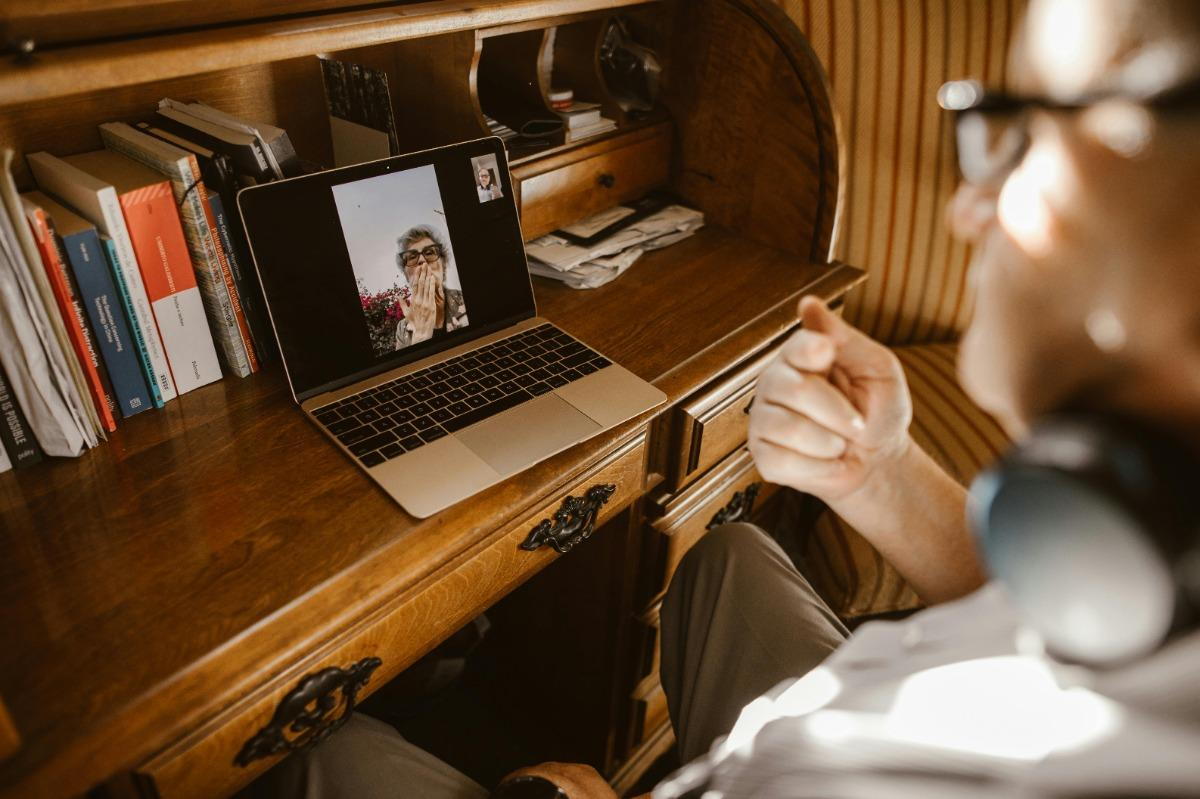
Video calls where you’re present, not multitasking
Telling each other exactly how much the relationship means to you
In a healthy long-distance relationship, these gestures say: “You matter. I’m still in this. I still choose you.”
When One Person Puts In More

One client shared she was working on showing her partner how much he meant to her, sending texts, planning visits, and sharing her day. Meanwhile, her partner held back, influenced by cultural beliefs that discouraged showing too much affection. He believed making a woman feel like a priority might “soften” him. The result? She felt unseen, unimportant, and deeply insecure.
This imbalance created a storm of jealousy and confusion. Not because she was clingy, but because her emotional needs weren’t being met.
You Deserve More Than Just “Getting By”
If your conversations feel forced, your emotions feel dismissed, or your partner avoids talking about the relationship altogether, it’s time to ask: Am I receiving the emotional support I need in this relationship?
Don’t settle for love that feels like guesswork.
Jealousy in relationships, especially long-distance ones, doesn’t mean you’re broken. It means you care. But caring should feel good, not exhausting. Check out our ebook 30+ Questions for Deeper Connections.
Online therapy offers a platform for couples to navigate their relationship dynamics effectively. It provides tools and strategies to manage jealousy, build trust, and strengthen the emotional bond. At Growing Stages Therapy, we specialize in offering emotional support for long-distance partners, helping them foster secure attachments and navigate the complexities of their relationships.
I’m Sherly, your Go-To Guide for Life’s Emotional Plot Twists—whether it’s long-distance love, perimenopause brain fog, or that ‘what now?’ empty nest stage. With grounded therapy and no-BS support, I’ll help you calm the chaos and reconnect with who you are now.
Ready to strengthen your long-distance relationship and navigate the challenges of long-distance love? Book an appointment with us today.
This blog post is for educational purposes only and does not replace medical or mental health advice. Please seek support from a qualified professional for your unique situation.
© 2024 GROWING STAGES THERAPY PLLC ❘ ALL RIGHTS RESERVED WORLDWIDE
- posted: May 02, 2025
- Long Distance Relationship
Long-distance love has its own magic, but let’s be real, it also surfaces very human insecurities. When you’re miles apart, it’s easy for jealousy and “Am I still enough?” thoughts to sneak in.
You’re not needy. You’re not overreacting. You’re human. And emotional support for long-distance partners isn’t a luxury—it’s essential.
When you’re not physically with your partner, jealousy and feelings of not being “enough” can creep in hard and fast. You’re not overreacting. You’re not needy. You’re just human.
And emotional support for long-distance partners isn’t optional—it’s essential.
Whether it's the time zone gaps, the silence between texts, or wondering who they’re spending their Friday nights with, jealousy in relationships often isn’t about a lack of love. It’s about a lack of reassurance.
Why Jealousy Shows Up in Long-Distance Relationships (and What to Do About It)
Even if you were in the same city, jealousy might still show up. But in long-distance relationships, the absence of physical closeness magnifies it. You don’t get to touch, see, or do life together day-to-day. That matters more than people admit.
When I work with long-distance couples in online therapy, one recurring theme I see is this: the person feeling jealous isn’t crazy or toxic—they’re often just disconnected. Not from the relationship, but from the experience of feeling safe in it.
You Need More Than Just “Self-Security”
Let’s get one thing straight: you can be emotionally mature, self-aware, and still need your partner to help you feel secure. That’s not weakness. That’s called secure attachment.
Contrary to the whole “you should feel secure on your own” advice floating around, true security in relationships involves co-regulation. You feel safe with each other. That means both of you have a responsibility: to name your needs and to meet each other’s needs through consistent words and actions.
Here’s what emotional support for long-distance partners can look like:
Regular, meaningful communication (not just “wyd” texts)
Sending thoughtful voice notes or small surprise gifts
Following up on past conversations to show you're listening
Video calls where you’re present, not multitasking
Telling each other exactly how much the relationship means to you
In a healthy long-distance relationship, these gestures say: “You matter. I’m still in this. I still choose you.”
When One Person Puts In More
One client shared she was working on showing her partner how much he meant to her, sending texts, planning visits, and sharing her day. Meanwhile, her partner held back, influenced by cultural beliefs that discouraged showing too much affection. He believed making a woman feel like a priority might “soften” him. The result? She felt unseen, unimportant, and deeply insecure.
This imbalance created a storm of jealousy and confusion. Not because she was clingy, but because her emotional needs weren’t being met.
You Deserve More Than Just “Getting By”
If your conversations feel forced, your emotions feel dismissed, or your partner avoids talking about the relationship altogether, it’s time to ask: Am I receiving the emotional support I need in this relationship?
Don’t settle for love that feels like guesswork.
Jealousy in relationships, especially long-distance ones, doesn’t mean you’re broken. It means you care. But caring should feel good, not exhausting. Check out our ebook 30+ Questions for Deeper Connections.
Online therapy offers a platform for couples to navigate their relationship dynamics effectively. It provides tools and strategies to manage jealousy, build trust, and strengthen the emotional bond. At Growing Stages Therapy, we specialize in offering emotional support for long-distance partners, helping them foster secure attachments and navigate the complexities of their relationships.
I’m Sherly, your Go-To Guide for Life’s Emotional Plot Twists—whether it’s long-distance love, perimenopause brain fog, or that ‘what now?’ empty nest stage. With grounded therapy and no-BS support, I’ll help you calm the chaos and reconnect with who you are now.
Ready to strengthen your long-distance relationship and navigate the challenges of long-distance love? Book an appointment with us today.
This blog post is for educational purposes only and does not replace medical or mental health advice. Please seek support from a qualified professional for your unique situation.
© 2024 GROWING STAGES THERAPY PLLC ❘ ALL RIGHTS RESERVED WORLDWIDE
Where We Serve
Office Hours
Mon
11:00 am - 7:00 pm
Tuesday
11:00 am - 7:00 pm
Wednesday
11:00 am - 7:00 pm
Thursday
11:00 am - 7:00 pm
Friday
11:00 am - 7:00 pm
Saturday
Closed
Sunday
Closed