What Happens When Your Emotions Turn Up the Heat?Other Possible Causes of Hot Flashes (That No One Talks About)
- posted: Apr. 03, 2025
- Pre-Menopause/Menopause
You’re sitting there, minding your business, and suddenly—BAM! —a wave of heat surges through your body like you’ve just been teleported to the surface of the sun. Sweat beads form, your face flushes, and you’re convinced that either your thermostat is broken, or you’ve somehow angered the universe. Welcome to the world of hot flashes.
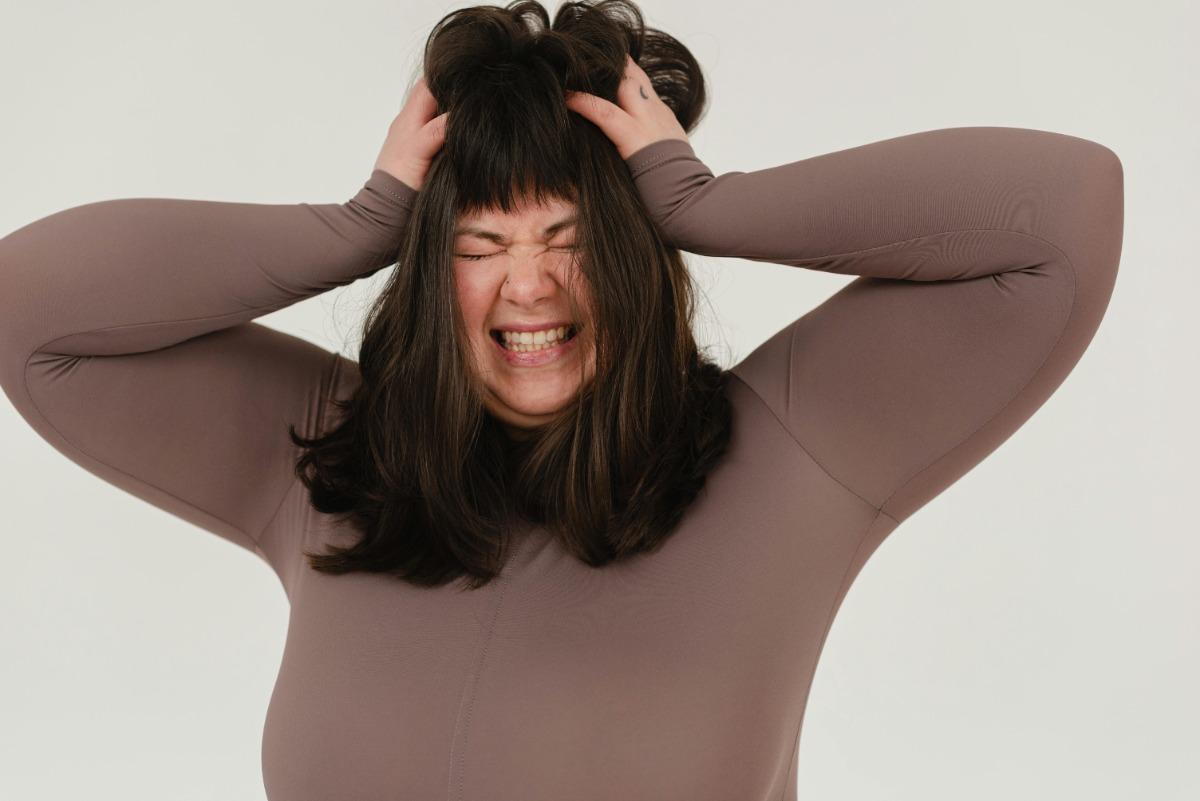
We often hear that hot flashes are caused by hormonal changes, particularly during perimenopause and menopause. But what if I told you that emotions—like good old-fashioned anger—could also send your internal temperature skyrocketing? Yep, turns out, getting worked up over your partner leaving dishes in the sink again might be just as responsible for your personal heat wave as fluctuating estrogen levels. Let’s dig into the lesser-known triggers of hot flashes and what you can do about them.
Hormones: The Usual Suspects
Before we start blaming everything on our emotions, let’s quickly revisit the classic cause of hot flashes: hormonal changes. Estrogen plays a crucial role in regulating body temperature, and as it declines during perimenopause and menopause, the brain gets a little confused. Your hypothalamus—aka your body's thermostat—starts misfiring, causing sudden heat surges. This is why many women experience hot flashes most frequently during these life stages.
But hormones aren’t the only reason you might feel like you're overheating. There’s more to the story.
Anger: The Unspoken Culprit
Ever notice how you can literally feel the heat rising when you're furious? That’s not just a metaphor—it’s biology. When we’re angry, our body enters fight-or-flight mode, triggering a cascade of physiological responses. Adrenaline and cortisol surge, heart rate spikes, and blood vessels dilate to increase circulation. The result? Your body temperature goes up, and voilà—hot flash.
But here’s the kicker: if you tend to bottle up your anger rather than expressing it, the stress response can linger, making hot flashes even more intense. So, the next time you feel a fiery wave creeping in, ask yourself—am I actually hot, or just hot under the collar?
Other Surprise Triggers You Didn’t See Coming
Spicy Foods
You already know that jalapeños bring the heat, but did you know they can also trigger hot flashes? Spicy foods contain capsaicin, which can temporarily increase body temperature and make you sweat. So, if you’re prone to hot flashes, maybe don’t pair menopause with a plate of extra-spicy tacos.
Caffeine and Alcohol
That morning coffee or an evening glass of wine? They might be turning up the heat in more ways than one. Both caffeine and alcohol can dilate blood vessels, making it easier for heat to spread through your body. If you’re experiencing frequent hot flashes, cutting back on these might be worth a shot (pun intended).
Anxiety and Stress
Anger isn’t the only emotion that can mess with your body’s thermostat. Stress and anxiety also trigger the fight-or-flight response, which can lead to—you guessed it—more hot flashes. The body interprets stress as a signal to prepare for battle, sending heat surging through your system. Meditation, deep breathing, and mindfulness exercises can help keep stress levels (and your body temperature) in check.
Clothing Choices
Sometimes, the simplest explanation is the right one. That thick sweater? The one made of fabric that doesn’t breathe. It might be trapping heat and making things worse. Dressing in lightweight, breathable layers can help you regulate temperature better.
So, What Can You Do About It?
- Manage Emotions Proactively – If anger is a major trigger for your hot flashes, finding healthy ways to express it (rather than letting it simmer) can help. Journaling, talking it out, or even punching a pillow can release pent-up frustration.
- Practice Stress-Reduction Techniques – Deep breathing, yoga, or progressive muscle relaxation can help bring down stress-induced hot flashes.
- Watch What You Eat and Drink – Keep track of how your body reacts to caffeine, alcohol, and spicy foods. If you notice a pattern, consider adjusting your intake.
- Stay Cool (Literally and Figuratively) – Keep a fan nearby, wear breathable clothing, and use cooling pillows at night to stay comfortable.
- Hydrate Like a Pro – Drinking cold water can help cool your body from the inside out.
It’s Not Just in Your Head
If you’ve ever felt a hot flash coming on during an argument, after a stressful day, or when holding back feelings you really wanted to express—now you know why. While hormones are the primary cause, emotions like anger and stress play a bigger role than we often realize. The good news? Once you identify your triggers, you can start making small changes to reduce their impact.
So, the next time someone asks, "Is it hot in here, or is it just you?"—you’ll know exactly why. And if it turns out that anger is behind your heat wave, maybe it’s time to let that frustration out (preferably in a way that doesn’t involve flipping the dining table). Stay cool, my friend!
Sources
Johns Hopkins Medicine – "Did I Just Have a Hot Flash? I'm 44"
https://www.hopkinsmedicine.org/health/wellness-and-prevention/did-i-just-have-a-hot-flash-im-44BreastCancer.org – "Causes of Hot Flashes"
https://www.breastcancer.org/tips/menopausal/treat/hot-flashes/causesNational Center for Biotechnology Information (NCBI) – "The Physiology of Hot Flashes"
https://www.ncbi.nlm.nih.gov/pmc/articles/PMC4612529/The North American Menopause Society (NAMS) – "Menopause FAQs: Hot Flashes"
https://www.menopause.org/for-women/menopause-faqs-hot-flashesMayo Clinic – "Hot Flashes: Symptoms & Causes"
https://www.mayoclinic.org/diseases-conditions/hot-flashes/symptoms-causes/syc-20352790
- posted: Apr. 03, 2025
- Pre-Menopause/Menopause
You’re sitting there, minding your business, and suddenly—BAM! —a wave of heat surges through your body like you’ve just been teleported to the surface of the sun. Sweat beads form, your face flushes, and you’re convinced that either your thermostat is broken, or you’ve somehow angered the universe. Welcome to the world of hot flashes.
We often hear that hot flashes are caused by hormonal changes, particularly during perimenopause and menopause. But what if I told you that emotions—like good old-fashioned anger—could also send your internal temperature skyrocketing? Yep, turns out, getting worked up over your partner leaving dishes in the sink again might be just as responsible for your personal heat wave as fluctuating estrogen levels. Let’s dig into the lesser-known triggers of hot flashes and what you can do about them.
Hormones: The Usual Suspects
Before we start blaming everything on our emotions, let’s quickly revisit the classic cause of hot flashes: hormonal changes. Estrogen plays a crucial role in regulating body temperature, and as it declines during perimenopause and menopause, the brain gets a little confused. Your hypothalamus—aka your body's thermostat—starts misfiring, causing sudden heat surges. This is why many women experience hot flashes most frequently during these life stages.
But hormones aren’t the only reason you might feel like you're overheating. There’s more to the story.
Anger: The Unspoken Culprit
Ever notice how you can literally feel the heat rising when you're furious? That’s not just a metaphor—it’s biology. When we’re angry, our body enters fight-or-flight mode, triggering a cascade of physiological responses. Adrenaline and cortisol surge, heart rate spikes, and blood vessels dilate to increase circulation. The result? Your body temperature goes up, and voilà—hot flash.
But here’s the kicker: if you tend to bottle up your anger rather than expressing it, the stress response can linger, making hot flashes even more intense. So, the next time you feel a fiery wave creeping in, ask yourself—am I actually hot, or just hot under the collar?
Other Surprise Triggers You Didn’t See Coming
Spicy Foods
You already know that jalapeños bring the heat, but did you know they can also trigger hot flashes? Spicy foods contain capsaicin, which can temporarily increase body temperature and make you sweat. So, if you’re prone to hot flashes, maybe don’t pair menopause with a plate of extra-spicy tacos.
Caffeine and Alcohol
That morning coffee or an evening glass of wine? They might be turning up the heat in more ways than one. Both caffeine and alcohol can dilate blood vessels, making it easier for heat to spread through your body. If you’re experiencing frequent hot flashes, cutting back on these might be worth a shot (pun intended).
Anxiety and Stress
Anger isn’t the only emotion that can mess with your body’s thermostat. Stress and anxiety also trigger the fight-or-flight response, which can lead to—you guessed it—more hot flashes. The body interprets stress as a signal to prepare for battle, sending heat surging through your system. Meditation, deep breathing, and mindfulness exercises can help keep stress levels (and your body temperature) in check.
Clothing Choices
Sometimes, the simplest explanation is the right one. That thick sweater? The one made of fabric that doesn’t breathe. It might be trapping heat and making things worse. Dressing in lightweight, breathable layers can help you regulate temperature better.
So, What Can You Do About It?
- Manage Emotions Proactively – If anger is a major trigger for your hot flashes, finding healthy ways to express it (rather than letting it simmer) can help. Journaling, talking it out, or even punching a pillow can release pent-up frustration.
- Practice Stress-Reduction Techniques – Deep breathing, yoga, or progressive muscle relaxation can help bring down stress-induced hot flashes.
- Watch What You Eat and Drink – Keep track of how your body reacts to caffeine, alcohol, and spicy foods. If you notice a pattern, consider adjusting your intake.
- Stay Cool (Literally and Figuratively) – Keep a fan nearby, wear breathable clothing, and use cooling pillows at night to stay comfortable.
- Hydrate Like a Pro – Drinking cold water can help cool your body from the inside out.
It’s Not Just in Your Head
If you’ve ever felt a hot flash coming on during an argument, after a stressful day, or when holding back feelings you really wanted to express—now you know why. While hormones are the primary cause, emotions like anger and stress play a bigger role than we often realize. The good news? Once you identify your triggers, you can start making small changes to reduce their impact.
So, the next time someone asks, "Is it hot in here, or is it just you?"—you’ll know exactly why. And if it turns out that anger is behind your heat wave, maybe it’s time to let that frustration out (preferably in a way that doesn’t involve flipping the dining table). Stay cool, my friend!
Sources
Johns Hopkins Medicine – "Did I Just Have a Hot Flash? I'm 44"
https://www.hopkinsmedicine.org/health/wellness-and-prevention/did-i-just-have-a-hot-flash-im-44BreastCancer.org – "Causes of Hot Flashes"
https://www.breastcancer.org/tips/menopausal/treat/hot-flashes/causesNational Center for Biotechnology Information (NCBI) – "The Physiology of Hot Flashes"
https://www.ncbi.nlm.nih.gov/pmc/articles/PMC4612529/The North American Menopause Society (NAMS) – "Menopause FAQs: Hot Flashes"
https://www.menopause.org/for-women/menopause-faqs-hot-flashesMayo Clinic – "Hot Flashes: Symptoms & Causes"
https://www.mayoclinic.org/diseases-conditions/hot-flashes/symptoms-causes/syc-20352790
Where We Serve
Office Hours
Mon
11:00 am - 7:00 pm
Tuesday
11:00 am - 7:00 pm
Wednesday
11:00 am - 7:00 pm
Thursday
11:00 am - 7:00 pm
Friday
11:00 am - 7:00 pm
Saturday
Closed
Sunday
Closed